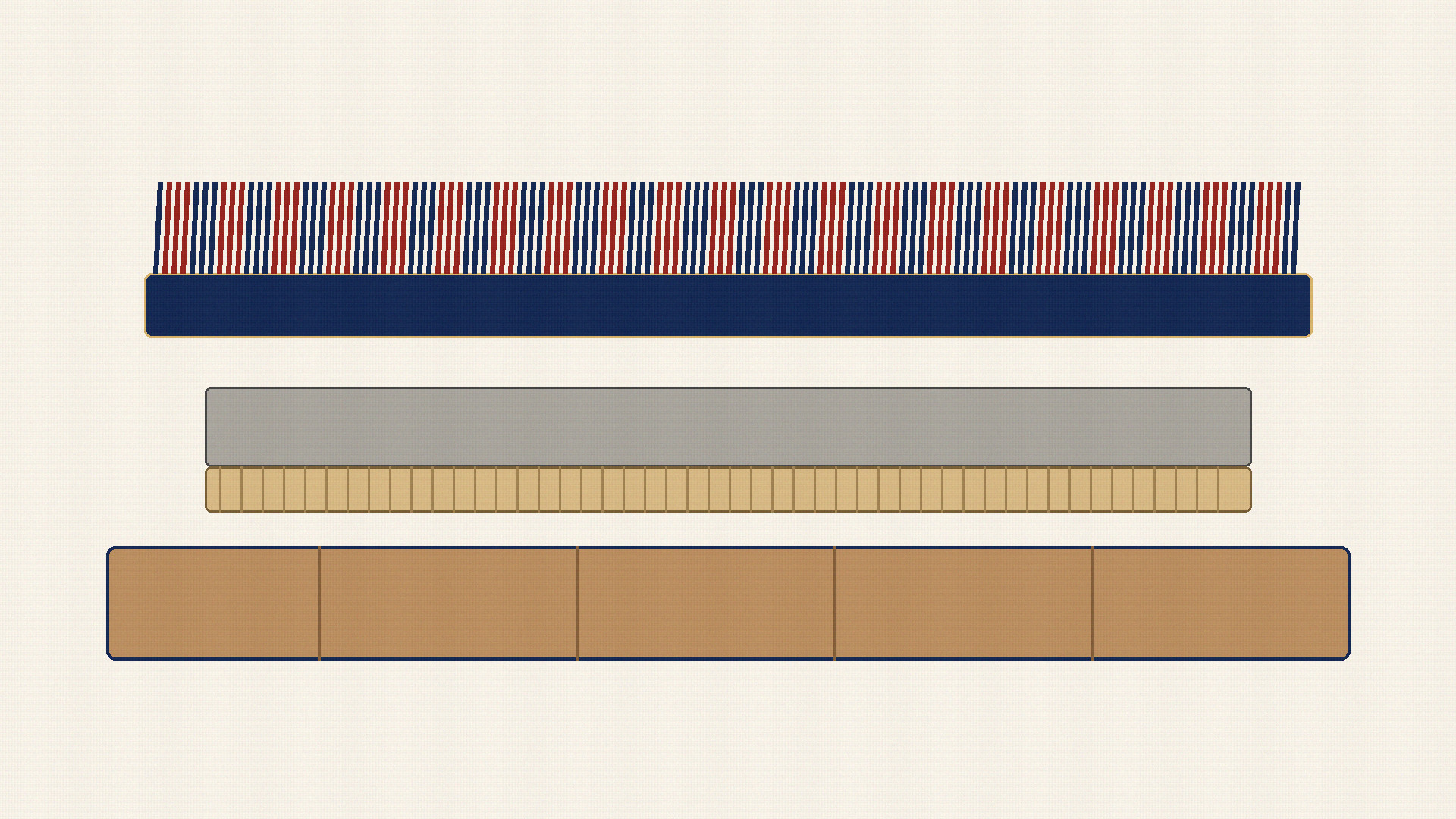
When placing a new Persian rug in a home or showroom, many buyers focus entirely on the visible textile and overlook what sits directly beneath it. Yet flooring and textile conservation specialists agree that a properly matched rug pad (also called an underlay or cushion) is essential for both safety and the structural lifespan of the rug 123. Rather than an optional luxury add-on, the right underlay acts as a shock absorber between heavy foot traffic above and rigid flooring below 12.
What a Rug Pad Does: Grip, Comfort, Protection, and Less Wear
As documented by the Carpet and Rug Institute (CRI) and the Canadian Conservation Institute (CCI), a proper underlay performs five mechanical functions at once 1234:
Slip Prevention and Flat Stability (Grip): On smooth timber, stone, porcelain tile, or laminate floors, unpadded rugs slide underfoot and ripple or buckle when furniture is moved 12. A gripping underlay holds the rug flat and reduces trip-and-fall hazards 12.
Reduced Pile Crushing and Structural Wear: Without a cushion underneath, every footstep and chair leg grinds the rug’s foundation yarns and pile directly against hard stone or wood 12. A firm pad absorbs impact energy so the pile springs back rather than matting down prematurely 12.
Protection for the Floor Surface: The reverse side of a woven rug has firm warp and weft nodes that can slowly abrade delicate wood finishes if the rug shifts repeatedly, especially when fine grit collects underneath 3.
Underfoot Comfort and Acoustic Insulation: Acoustic testing published by the Carpet and Rug Institute demonstrates that pairing a rug or carpet with an underlying cushion significantly improves sound absorption (Noise Reduction Coefficient) and reduces impact noise transmitted to rooms below 4.
Airflow and Easier Vacuuming: A supportive pad keeps the rug from being sucked into the vacuum nozzle and allows air to circulate during routine maintenance 13.
Main Rug Pad Types: Felt, Rubber, and Felt-and-Rubber
Selecting the right pad starts with understanding the three core constructions used under area rugs 125:
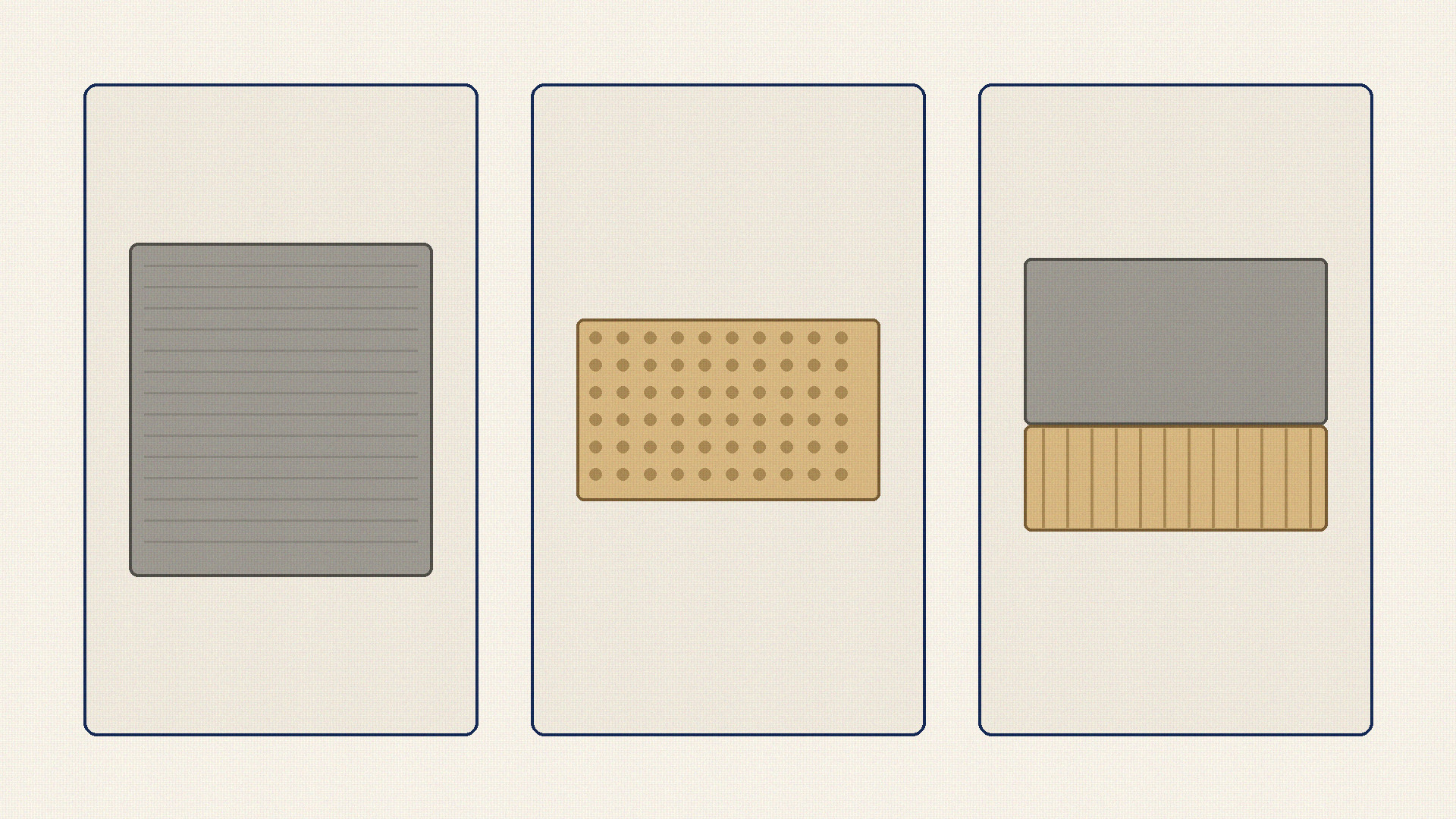
Dense Needle-Punched Felt Pads: Made from compressed, heat-set recycled or virgin textile fibres, pure felt pads provide firm cushioning, thermal insulation, and sound absorption 14. Because pure felt lacks a tacky bottom surface, it is best suited for large rugs held in place by heavy sofas or dining tables where extra comfort—rather than anti-slip grip—is the primary goal.
Solid or Textured Natural Rubber Pads: Low-profile pads made from natural rubber grip the floor tightly without adding height 12. They are ideal for narrow hallway runners, small accent rugs, and entryways where doors need low clearance and slip resistance is critical 1.
Combined Felt-and-Rubber (Dual-Surface) Pads: The most versatile choice for living and dining room area rugs on hard floors. A dense needle-punched felt upper surface grips the back of the rug and cushions foot traffic, while a textured natural rubber lower surface grips the hard floor beneath without adhesives.
When evaluating synthetic or polymeric cushions, the Carpet and Rug Institute recommends checking for low-VOC indoor air quality testing such as the CRI Green Label Plus certification 125.
Pads for Hard Floors vs. Rugs Placed Over Carpet
The surface beneath your rug dictates which pad construction you need 12:
Over Hardwood, Stone, Tile, or Luxury Vinyl: Use either a combined felt-and-rubber pad (with the felt side up against the rug back and the rubber side down on the floor) for room-size rugs, or a low-profile natural rubber pad for runners and smaller scatter rugs 12.
Over Wall-to-Wall Carpet: Placing an area rug directly on top of wall-to-wall pile carpet causes the top rug to "walk," ripple, and buckle whenever someone steps on it 12. Standard hard-floor rubber pads will not grip carpet pile; instead, use a specialized carpet-to-carpet underlay designed with a stiff, high-friction upper surface that prevents the area rug from shifting or wrinkling over the base carpet 12.
Size and Thickness: Slightly Smaller Than the Rug
Two dimensional rules ensure an area rug sits cleanly on the floor 1:
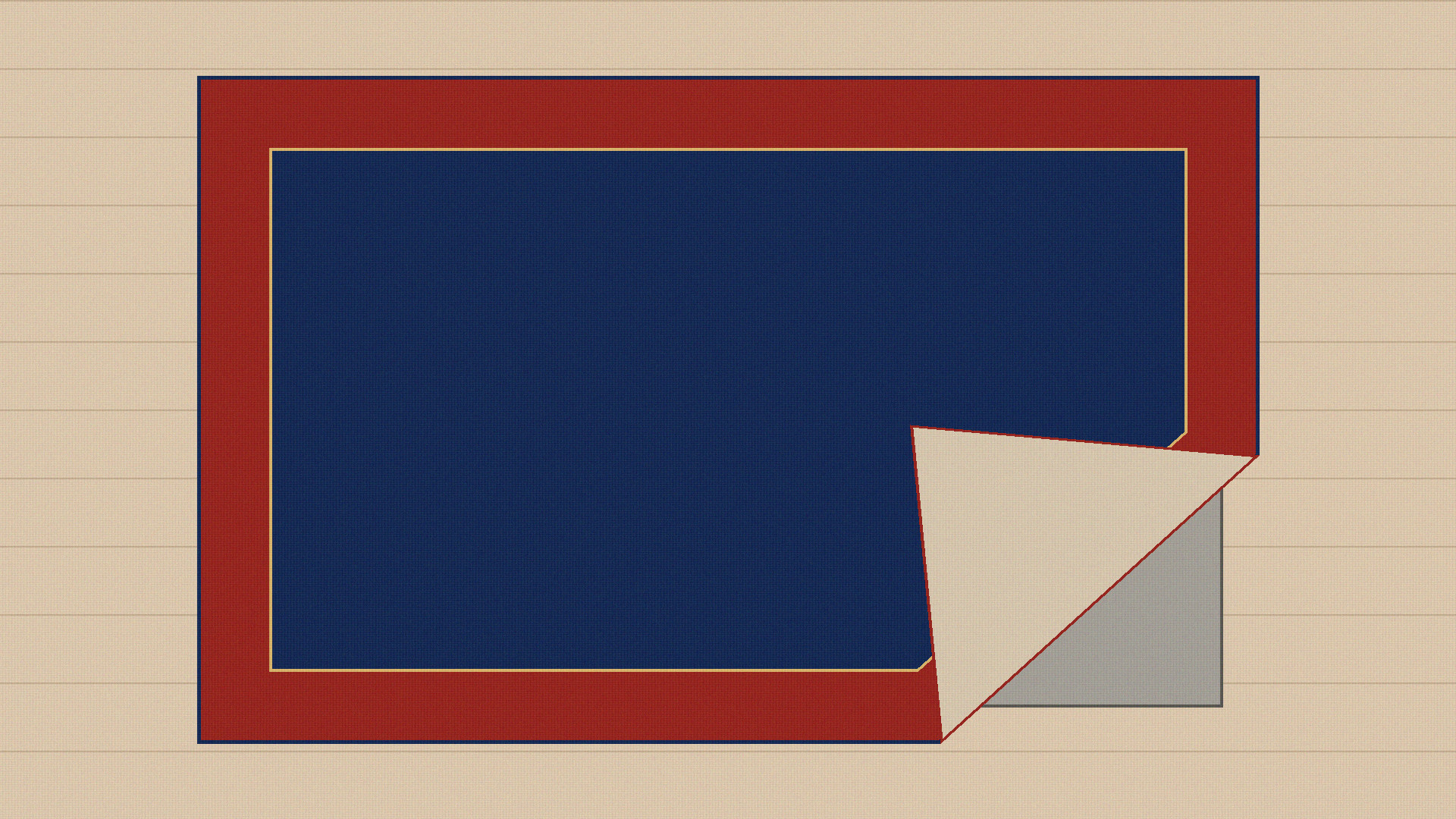
Inset the Pad Perimeter (Slightly Smaller Than the Rug): A rug pad should always be cut slightly smaller than the rug itself—typically inset by about 2.5 to 5 centimetres (1 to 2 inches) on all four sides, excluding any short-end fringe. This small inset allows the outer borders and selvedges of the rug to taper gently down to the floor so the pad remains invisible and edges do not curl upward as a tripping hazard.
Firmness Over Excess Thickness: As the Carpet and Rug Institute notes, thicker is not always better 1. An overly thick, spongy foam pad allows the rug foundation to flex excessively under footsteps and furniture legs, which can cause wrinkling, buckling, or structural stress; a firm, supportive pad (generally no thicker than 3/8 inch / 6–9 mm for cut-pile rugs) protects the weave best 1.
Underfloor Heating and Floor Finishes
Modern interiors require paying close attention to thermal resistance and chemical compatibility between the pad and the floor finish 16:
Radiant Underfloor Heating (R-Value): Every carpet and pad layer has a thermal resistance value (R-value), and a Georgia Institute of Technology study published by the Carpet and Rug Institute confirms that the R-values of the rug and the pad are additive 6. Over radiant heated floors, choose a low-profile, low-R-value pad (such as a thin flat rubber or perforated felt-and-rubber pad rated for radiant heat) rather than a thick insulating felt slab, so heat can pass freely into the room 16.
Protecting Wood Stain and Polyurethane/Vinyl Finishes: Cheap plasticized PVC pads, waffle-weave vinyl mats, or pads treated with harsh chemical adhesives can react chemically (plasticizer migration) with polyurethane hardwood sealers or luxury vinyl planks, leaving permanent grid stains. Because exact chemical formulations of aftermarket floor sealers vary by manufacturer, compatibility with unlabelled cheap PVC mats is always uncertain; stick to 100% needle-punched felt and natural unplasticized rubber, and verify your flooring manufacturer’s care instructions 15.
Common Mistakes and Misconceptions
"A heavy rug or a rug under a sofa does not need a pad." Even when a sofa holds the middle of a rug still, unpadded areas in front of the sofa suffer faster pile crushing and abrasion against the hard floor 12.
"A thicker, softer foam pad always protects the rug better." Soft, thick sponge pads flex too much under footsteps and table legs, causing the rug to buckle and stressing its foundation yarns 1.
"Double-sided carpet tape is a good substitute for a rug pad." Adhesive tapes leave sticky residue on both the floor finish and the rug’s foundation warps and wefts, and provide zero cushioning 3.
"The rug pad never needs cleaning." Fine grit works its way through the rug over time; as the Canadian Conservation Institute advises, the back of the rug, the underlay, and the floor beneath should be vacuumed periodically 3.
A Short Practical Checklist for Choosing a Rug Pad
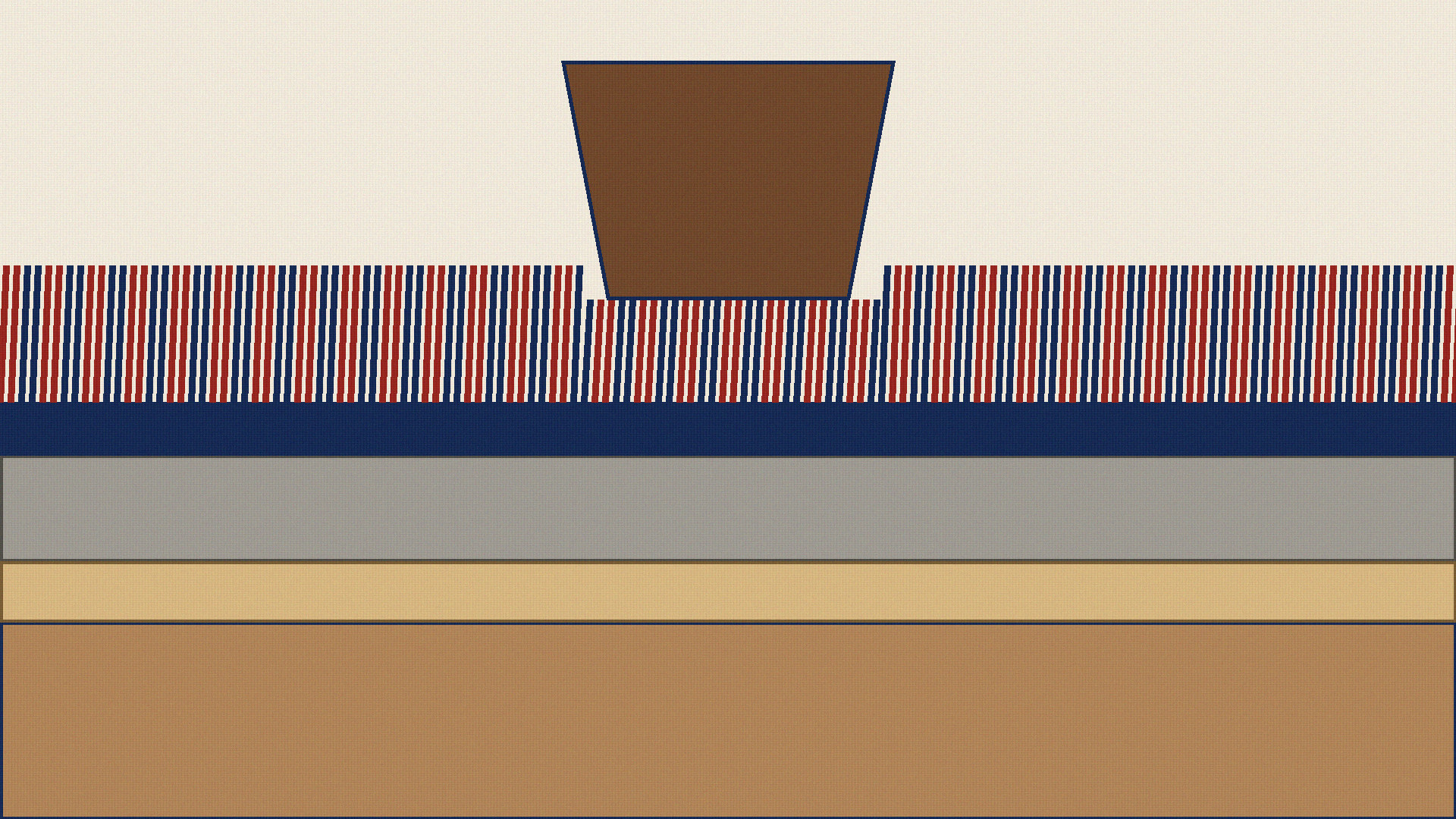
- Match the Subfloor: Choose felt-and-rubber or natural rubber for hard floors, and a specialized carpet-to-carpet pad when layering over wall-to-wall carpet 12.
- Trim 2.5–5 cm Inside the Rug Edge: Ensure the pad stops slightly inside all four borders (never under the fringe) so the rug edges lie flat.
- Choose Firm Support Over Spongy Thickness: Pick a dense, low-to-medium profile pad (around 3–8 mm depending on rug size and door clearance) 1.
- Check Floor-Finish and Heating Compatibility: Avoid cheap plasticized PVC grids on finished hardwood or vinyl, and use low-R-value pads over underfloor heating 16.
Frequently Asked Questions (FAQ)
1. Which side of a felt-and-rubber rug pad goes on the floor?
Place the textured rubber side face down against the hard floor to prevent slipping, and the rough felt side face up against the back of the rug to hold and cushion the textile.
2. How much smaller than the rug should a rug pad be?
Trim the pad so it is approximately 2.5 to 5 centimetres (1 to 2 inches) smaller than the rug’s pile dimensions on all four sides (excluding any fringe), allowing the rug’s borders to bevel smoothly to the floor.
3. Can I use a rug pad over radiant underfloor heating?
Yes, provided you choose a thin, breathable, low-R-value pad specifically rated for radiant heated floors rather than a thick insulating felt or foam pad that traps heat 16.
4. Why can cheap waffle-grid plastic pads stain hardwood or vinyl floors?
Low-grade PVC or vinyl pads often contain chemical plasticizers and synthetic adhesives that can migrate into polyurethane wood finishes or vinyl planks over time, leaving a permanent grid pattern on the floor.
Sources
- The Carpet and Rug Institute (CRI), "Frequently Asked Questions – Cushion Section". https://carpet-rug.org/resources/faq/
- The Carpet and Rug Institute (CRI), "The Importance of Carpet Cushion". https://carpet-rug.org/the-importance-of-carpet-cushion/
- Canadian Conservation Institute (CCI), Government of Canada, "Basic care – Carpets and rugs". https://www.canada.ca/en/conservation-institute/services/care-objects/textiles-costumes/basic-care-carpets-rugs.html
- The Carpet and Rug Institute (CRI), Technical Bulletin: "Acoustical Characteristics of Carpet". https://carpet-rug.org/wp-content/uploads/2018/08/Acoustical-Characteristics-of-Carpet.pdf
- The Carpet and Rug Institute (CRI), "Green Label Plus – Cushions". https://carpet-rug.org/testing/green-label-plus/
- The Carpet and Rug Institute (CRI) / Georgia Institute of Technology School of Textile Engineering, "Understanding Thermal Values (R-Values) of Carpet and Cushion". https://carpet-rug.org/wp-content/uploads/2018/08/Understanding-Thermal-Values-R-Values-of-Carpet-and-Cushion.pdf