In showrooms and online catalogues around the world, buyers frequently encounter Persian-style rugs with a soft hand and a luminous, shifting sheen described as "silk-look" or "silky in appearance." In modern rug production, this visual effect is most often created not by natural silk from the silkworm cocoon, but by viscose and related regenerated-cellulose fibres 12. Understanding what these fibres are, how they behave under light and foot traffic, and how to care for them helps wholesale buyers and homeowners select the right rug for the right room 134.
What Viscose Is: A Regenerated Cellulose Fibre
Viscose (also known as viscose rayon) is a manufactured fibre made from regenerated and purified plant cellulose, most commonly sourced from wood pulp or cotton linters 12. Developed in the late nineteenth century—with the viscose process patented by British chemists Charles Frederick Cross, Edward John Bevan, and Clayton Beadle in 1891–1892—rayon was the first man-made fibre created specifically to offer a smooth, lustrous alternative to natural silk 15.
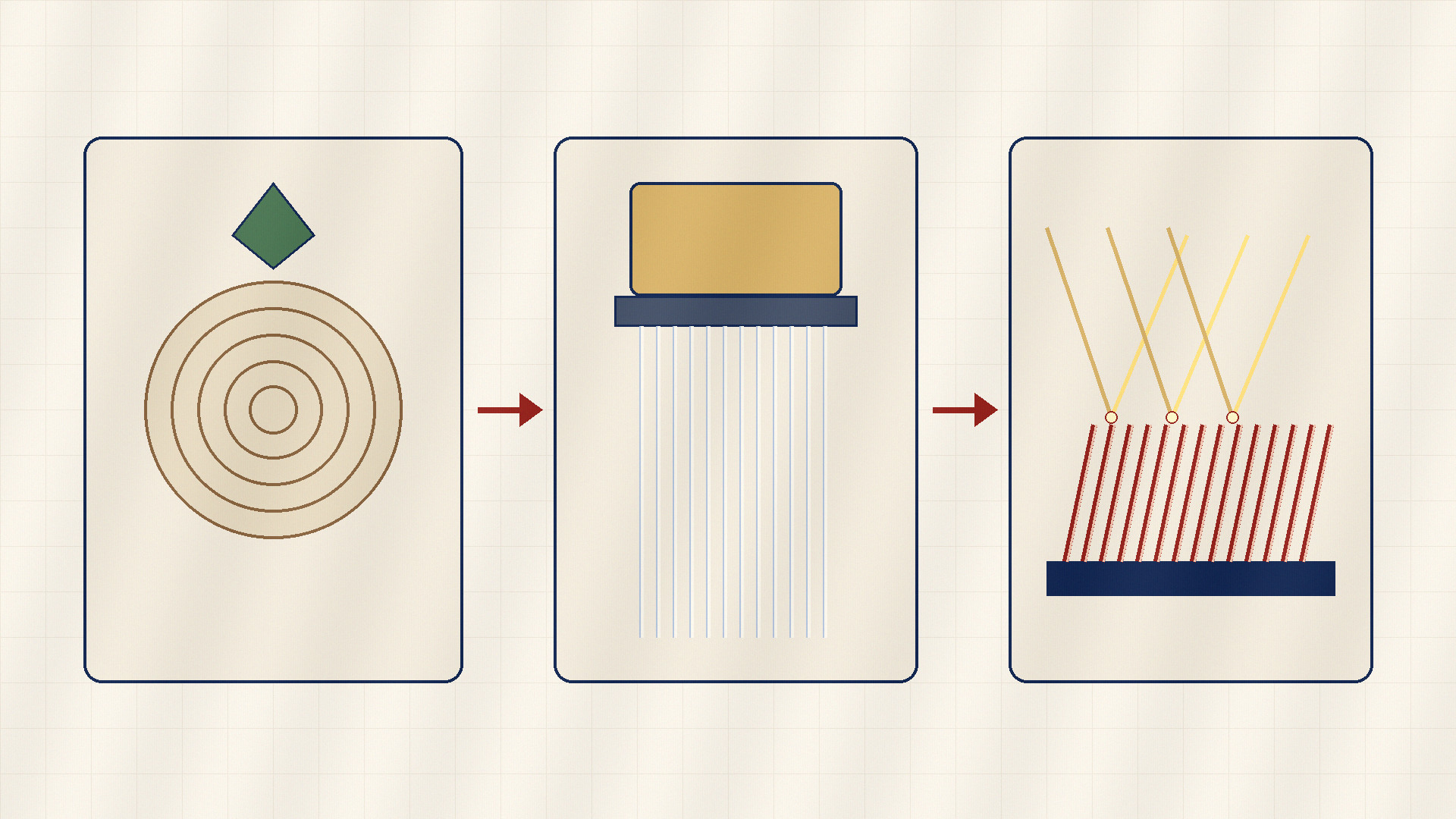
Because its raw starting material is plant cellulose rather than petroleum, textile classification places viscose in a distinct category between purely natural fibres (such as wool, cotton, or mulberry silk) and synthetic petro-polymers (such as polyester, acrylic, or polypropylene) 12. During manufacture, purified cellulose is dissolved into a thick liquid solution, pressed through tiny holes in a metal nozzle called a spinneret, and regenerated back into continuous, smooth cellulose filaments that can be spun into rug pile yarn 1.
Related Names: Art Silk, Bamboo Silk, Modal, and Lyocell
In the international rug trade, several commercial and technical terms refer to fibres within the regenerated-cellulose family. Knowing how they relate prevents confusion when reading labels and product sheets 126:
Art Silk ("Artificial Silk"): An informal trade term used for over a century to describe rayon or viscose yarns with a silk-like sheen. It is not a separate legal fibre class; under textile labelling regulations such as the U.S. Federal Trade Commission (FTC) Textile Rules, products must disclose the generic fibre name (such as rayon or viscose) rather than relying solely on "art silk" 26.
"Bamboo Silk" or Bamboo-Derived Viscose: Rugs marketed in the trade as "bamboo silk" are made from regenerated cellulose rayon/viscose in which bamboo pulp served as the plant cellulose source 2. As the U.S. Federal Trade Commission documents, once plant cellulose is chemically dissolved and regenerated via the viscose process, the resulting fibre is rayon/viscose and does not retain the raw woody traits of the living bamboo plant 2. Accurate technical disclosure therefore describes it as viscose made from bamboo or bamboo-derived viscose, never natural silk 2.
Modal: A modified subclass of regenerated cellulose rayon engineered with higher wet strength and a soft, supple handle, typically produced from beechwood pulp 16.
Lyocell (including branded lyocell such as TENCEL™): A modern subclass of cellulose fibre formally recognized by the FTC in 1996 6. Unlike traditional viscose, lyocell is produced by dissolving wood cellulose directly in a non-toxic organic solvent (amine oxide) within a closed-loop recovery system, yielding a smooth fibre surface with improved wet and dry tenacity 167. Whether any unlabelled "silk-look" rug in the general trade contains standard viscose, modal, or lyocell cannot be determined by sight alone and remains uncertain without the manufacturer’s fibre disclosure 26.
Why Viscose Rugs Shine
The signature glow of a viscose or lyocell rug comes from optical physics rather than metallic coatings or surface finishes 137. When liquid cellulose is extruded through a spinneret, it forms long, uniform filaments with a smooth outer surface 17. Unlike wool fibres, which have microscopic overlapping surface scales that scatter incoming light in many directions for a soft matte look, smooth cellulose filaments reflect light cleanly along their length 17.
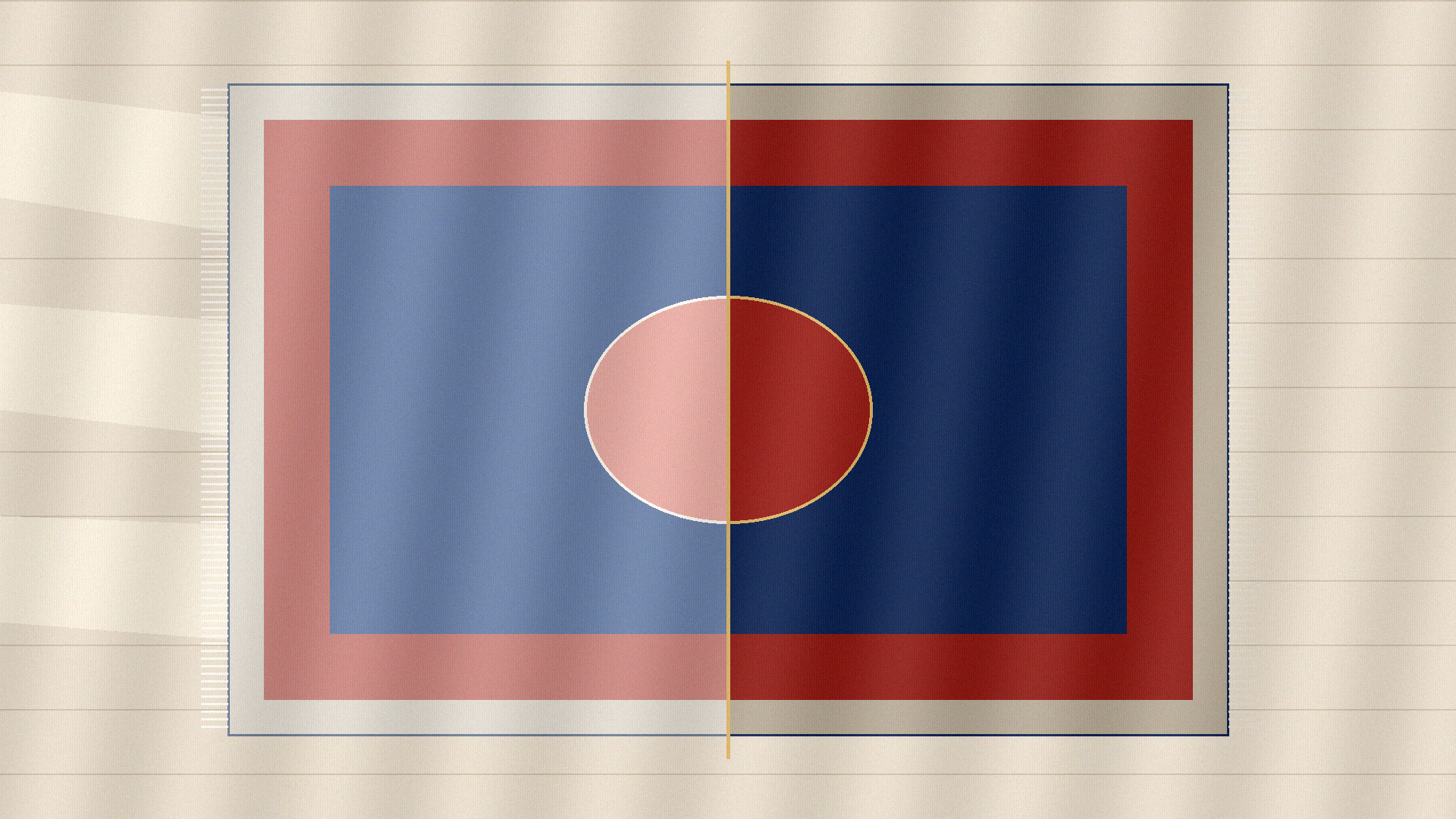
When thousands of these fine filaments are woven into a cut-pile rug, the pile naturally leans at a slight angle—known as the pile direction or nap 3. Viewing the rug from the side where light reflects off the sides of the leaning fibres makes the palette appear brighter, silvery, and pastel-toned. Walking to the opposite end of the room and looking into the tips of the fibres makes the exact same rug look deeper, richer, and more saturated 3. This optical shift is directional shading (anisotropic reflection), not a change in dye colour 3.
Strengths and Practical Limits
Every rug fibre involves trade-offs. Selecting a silk-look cellulose rug with realistic expectations ensures long-term satisfaction 134:
Strengths
Lustrous Visual Depth: Fine cellulose pile highlights intricate Persian floral motifs, medallions, and colour transitions with a lively, light-catching surface 37.
Soft Underfoot Feel: The smooth filament surface feels cool, sleek, and gentle to the touch 17.
Crisp Pattern Definition: Fine spun cellulose yarns allow clean articulation of classical curvilinear designs and relief accents.
Practical Limits
Sensitivity to Water and Moisture: As documented in textile science, standard viscose rayon readily absorbs water; its fibres swell and temporarily lose a significant portion of their strength when wet 1. Liquid spills can also disturb the alignment of the fine pile or leave visible rings ("water marks") as the cellulose dries 134.
Pile Crushing and Shading: Under heavy furniture legs or concentrated foot traffic, soft cellulose pile flattens more easily than resilient wool or heat-set synthetic fibres, creating permanent light-and-dark shading patches (sometimes called watermarking or pile reversal) 3.
Sensitivity to Friction When Wet: Scrubbing a wet viscose rug can fuzz, break, or distort the softened cellulose filaments 14.
Where a Silk-Look Viscose Rug Suits a Home
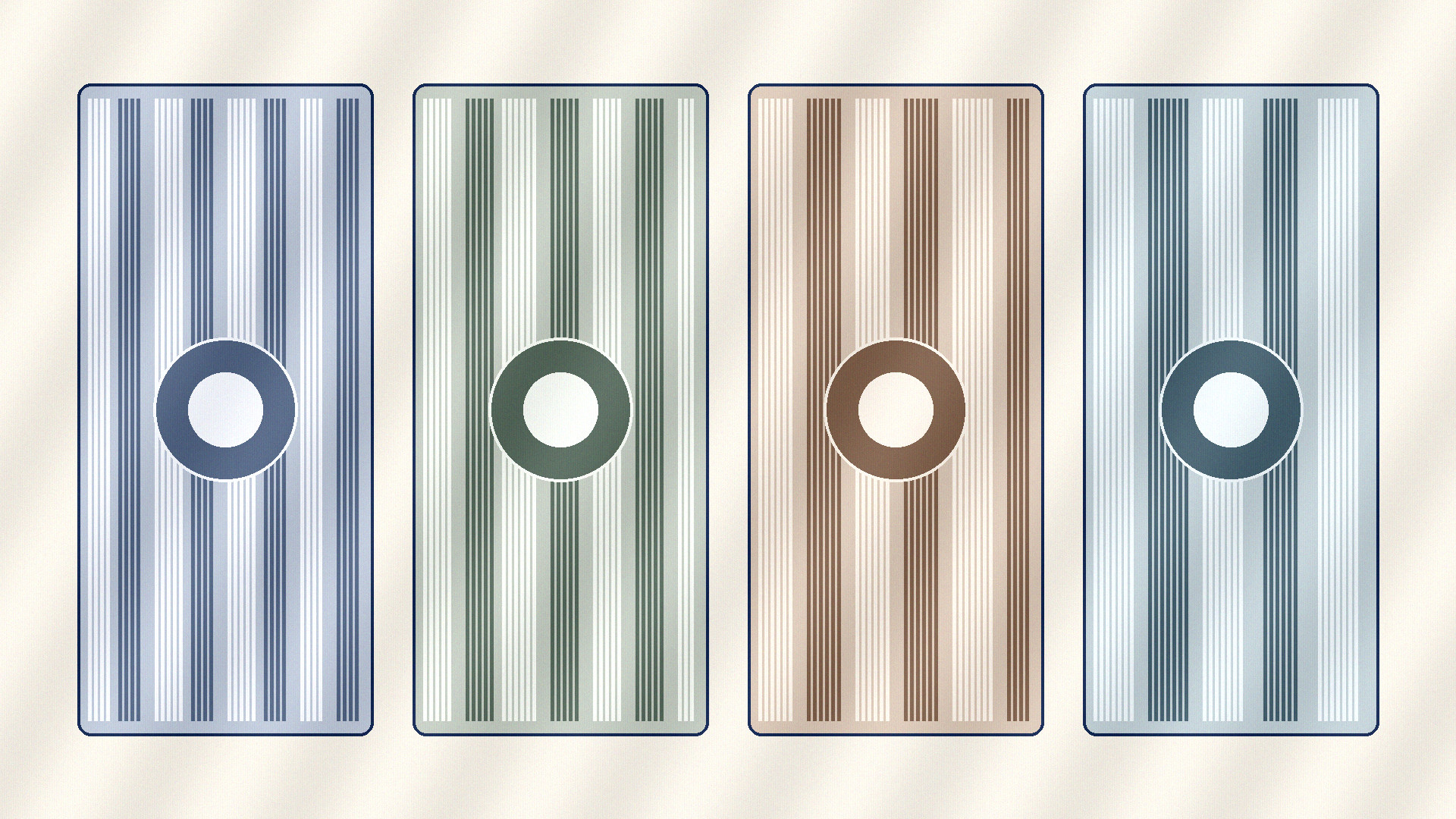
Because of its optical beauty and moisture sensitivity, a viscose or silk-look rug performs best when matched to the right room environment 134:
Ideal Spaces: Formal sitting rooms, bedrooms, low-traffic lounges, dressing rooms, and adult study areas where foot traffic is light and food or drink spills are rare 34.
Spaces to Avoid: Dining tables, kitchens, bathrooms, damp basements, outdoor patios, and busy entryways where mud, standing water, or frequent food spills occur 14.
Blended Constructions: Some machine-made rugs combine a resilient matte ground fibre (such as acrylic, wool, or polyester) with viscose accent yarns only in the floral highlights, balancing everyday practicality with selective lustre.
Care and Spills: How to Maintain a Viscose Rug Safely
Following conservation-grade textile care rules protects the surface and sheen of a silk-look rug 348:
Vacuum Gently in the Pile Direction: Use a suction-only vacuum head on a low setting, moving slowly in the natural direction of the pile 48. Disengage rotating beater bars or power brush rolls, which can fray fine filaments and fringes 48.
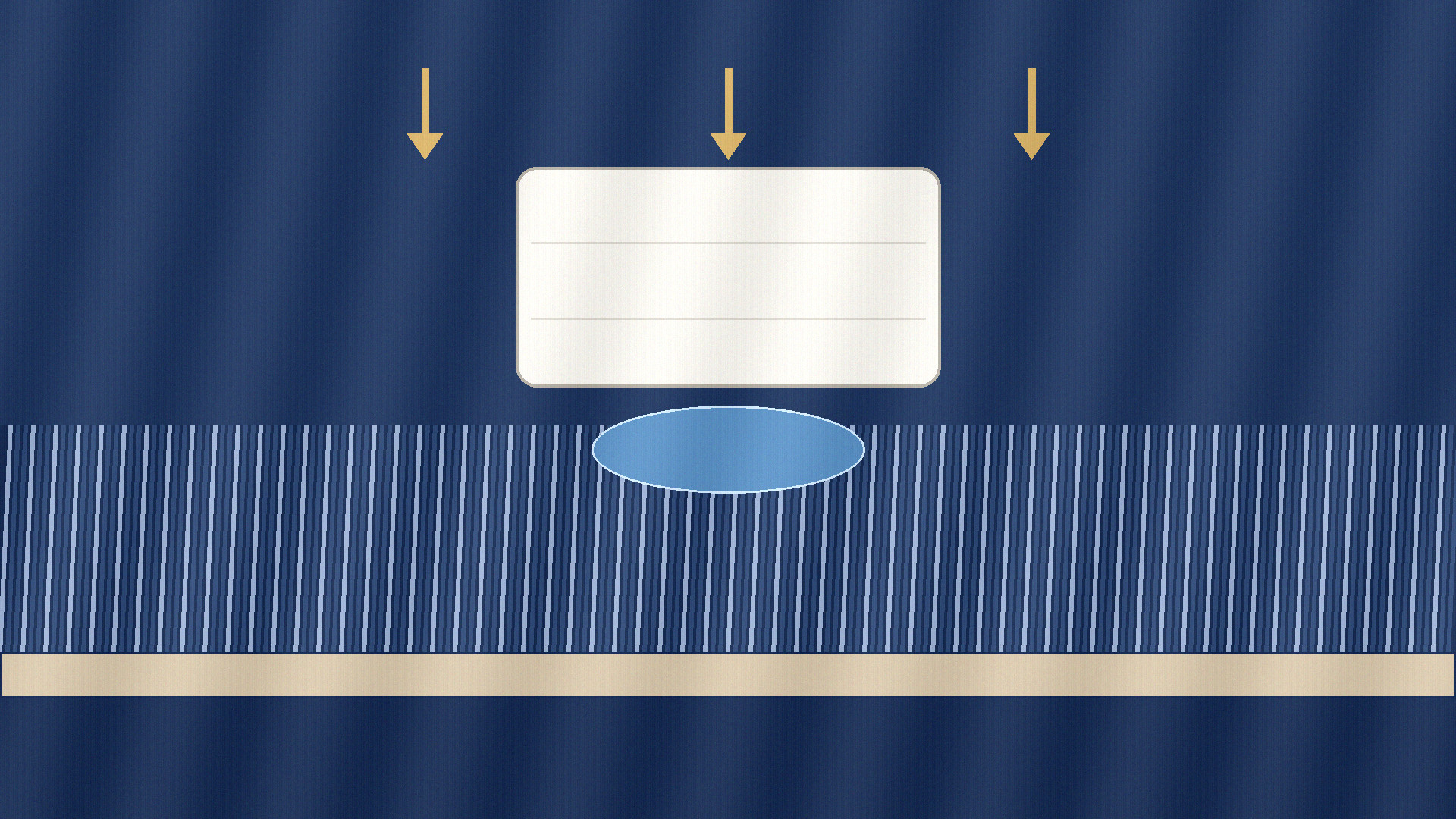
Blot Spills Immediately—Never Rub: If water or another liquid spills on the rug, press a clean, dry, white absorbent cotton cloth or paper towel straight down onto the moisture to lift the liquid out 48. Never rub or scrub sideways, and avoid soaking the area with excess water or harsh household carpet shampoos 148.
Dry Flat with Airflow: After blotting, allow the spot to air-dry quickly and completely, then gently brush the dry pile with a soft cloth in the direction of the nap 48.
Rotate Periodically: Rotate the rug once or twice a year so sunlight and foot traffic distribute evenly across both ends 4.
Use Professional Rug Cleaners: When deeper cleaning is needed, entrust the rug to a professional cleaner experienced with cellulose/viscose pile rather than using rental steam extractors 148.
Common Misconceptions
"Bamboo silk is natural silk spun by silkworms fed on bamboo." No; in the textile trade, "bamboo silk" refers to regenerated plant cellulose (rayon/viscose) derived from bamboo pulp, not animal protein silk 2.
"If one side of the rug looks lighter than the other, the dye is defective." That light-to-dark shift across the room is normal directional pile shading caused by light reflecting off angled filaments 3.
"A viscose rug can be steam-cleaned like synthetic wall-to-wall carpet." High heat and excess water weaken wet viscose fibres and can cause shrinkage, browning, or texture distortion 14.
"All shiny rugs use the same fibre." Silk-like lustre can come from viscose, modal, lyocell, mercerized cotton, polyester filament, or natural silk; only the verified product specification confirms the exact fibre, and visual guesses remain uncertain 26.
A Short Practical Checklist for Buyers and Homeowners
- Check the Exact Fibre Label: Look for clear disclosure of viscose, rayon, bamboo-derived viscose, modal, or lyocell rather than vague "silk-look" nicknames 26.
- Match the Room to the Fibre: Place 100% viscose rugs in dry, low-traffic bedrooms or formal lounges rather than dining areas or hallways 14.
- Test Both Viewing Angles: Inspect the rug from both short ends in your room light to decide which pile orientation suits your seating layout 3.
- Keep a White Cotton Cloth Handy: Ensure household members know to blot spills vertically right away without rubbing or applying soap and water 48.
Frequently Asked Questions (FAQ)
1. Is viscose a natural fibre or a synthetic fibre?
Viscose is a manufactured regenerated-cellulose fibre. It starts from natural plant cellulose (such as wood or bamboo pulp) that is dissolved and reformed into smooth textile filaments, placing it between natural fibres and petroleum-based synthetics 12.
2. Why does a silk-look viscose rug change colour when I walk around it?
The dye colour does not change; rather, the smooth cellulose pile leans at a slight angle. Looking with the pile reflects more light (appearing lighter and silvery), while looking into the pile absorbs more light (appearing deeper and richer) 3.
3. Why do water drops leave marks on a viscose rug?
Viscose absorbs moisture quickly, causing the wet fibres to swell and temporarily soften 1. As the spot dries, the pile angle shifts slightly compared with surrounding dry fibres, changing how light reflects off that patch 13.
4. How should I clean a spill on a viscose rug?
Immediately press a clean, dry white cotton towel straight down onto the spill to absorb as much liquid as possible without rubbing sideways. Let it dry completely with good airflow, and consult a professional rug cleaner for staining liquids 48.
Sources
- Encyclopaedia Britannica, "Rayon | Properties, Uses & Production" and "Viscose rayon | textile". https://www.britannica.com/technology/rayon-textile-fiber
- U.S. Federal Trade Commission (FTC), "Bamboo Textiles" and "Threading Your Way Through the Labeling Requirements Under the Textile and Wool Acts". https://www.ftc.gov/bamboo-textiles
- The Carpet and Rug Institute (CRI), Technical Bulletin: "Pile Reversal / Watermarking / Shading". https://carpet-rug.org/wp-content/uploads/2018/08/Pile-Reversal-Watermarking-Shading.pdf
- Canadian Conservation Institute (CCI), Government of Canada, "Basic care – Carpets and rugs". https://www.canada.ca/en/conservation-institute/services/care-objects/textiles-costumes/basic-care-carpets-rugs.html
- Encyclopaedia Britannica, "Viscose rayon | textile". https://www.britannica.com/technology/viscose-rayon
- U.S. Federal Trade Commission (FTC), "FTC Approves 'Lyocell' for Use in Fabric Content Labeling". https://www.ftc.gov/news-events/news/press-releases/1996/04/ftc-approves-lyocell-use-fabric-content-labeling
- Lenzing / TENCEL™ Official Material Guidance, "Why Is TENCEL™ Lyocell in Denim?". https://carvedinblue.tencel.com/why-is-tencel-lyocell-in-denim/
- The Carpet and Rug Institute (CRI), "Carpet and Rug Care Guide". https://carpet-rug.org/wp-content/uploads/2024/09/Carpet-and-Rug-Care-Guide.pdf