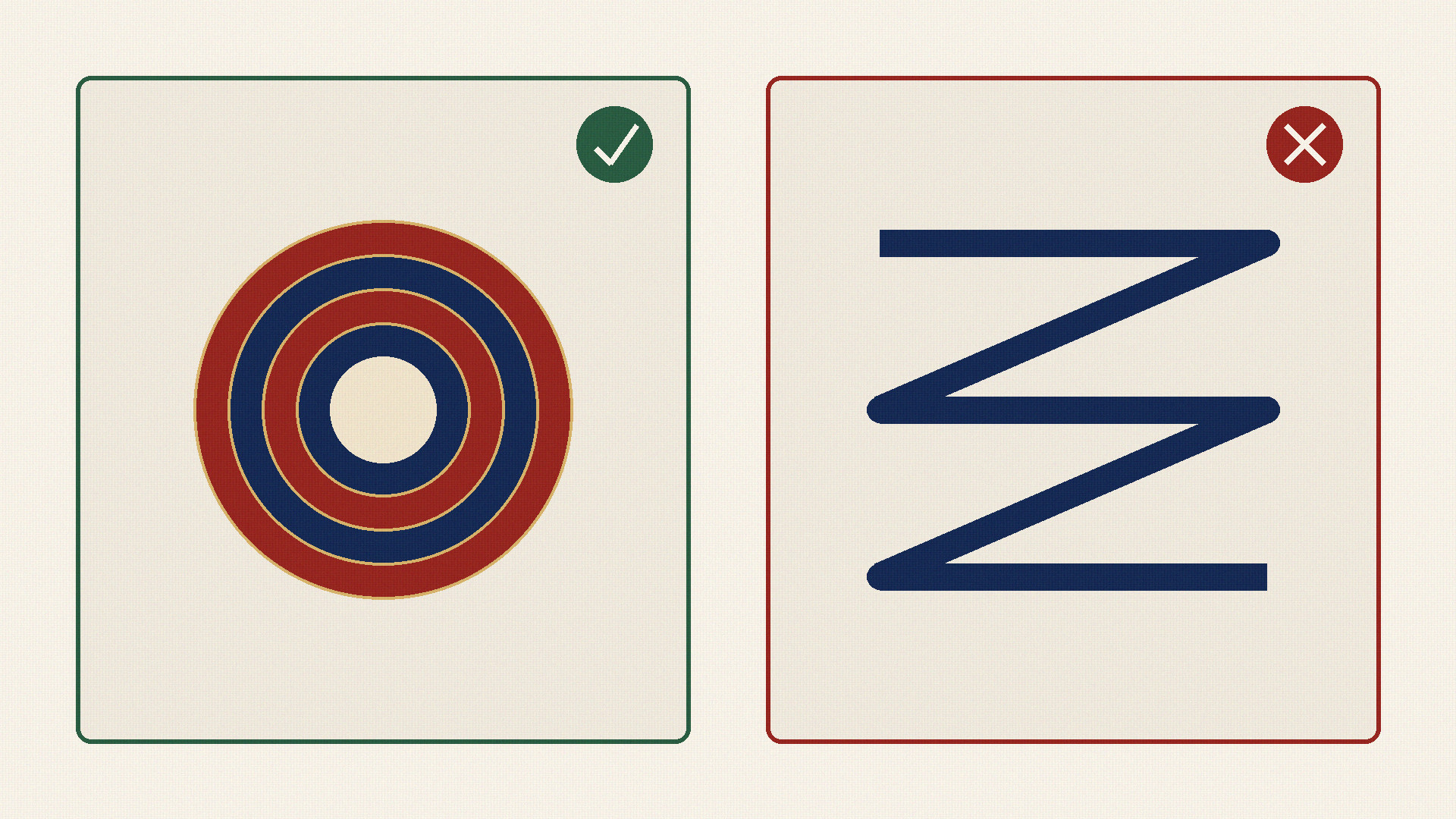
Whether you are rotating rugs for summer, relocating to a new home, or managing wholesale warehouse inventory, improper storage can damage a Persian rug faster than years of normal floor use 123. Sharp folds, trapped moisture inside airtight plastic, and dark, unventilated corners invite foundation creases, mildew, and insect pests 124. Fortunately, museum textile conservators follow simple, practical rules that any homeowner or buyer can apply 123.
Clean and Dry Before Storing
The first rule of textile preservation is never to roll up a dirty or slightly damp rug 124:
Remove Dust, Grit, and Food Traces: As the Canadian Conservation Institute (CCI) documents, soil particles act as miniature abrasives inside a rolled rug and attract insects and mould 14. Vacuum both the front pile (slowly, in the direction of the pile, using a suction-only nozzle without a rotating beater bar) and the reverse side of the rug thoroughly 13. If the rug has food spills or pet soil, have it professionally cleaned before long-term storage 14.
Ensure 100% Dryness: Even trace moisture trapped inside a tightly rolled cylinder can trigger mould growth and musty odours within days 14. Allow a newly cleaned or spot-blotted rug to air-dry completely on both sides before rolling 14.
Roll, Do Not Fold: Respecting the Pile Direction
Museum conservation guidelines strictly advise against folding carpets and rugs for storage 12:
Why Folding Causes Damage: Folding a pile rug creates sharp bends along the warp and weft foundation yarns. Over weeks or months—especially if boxes are stacked on top—those creases become permanent ridges, distort the sizing (ahar) on the back of machine-made rugs, or crack older foundation threads 12.
How to Roll Correctly with the Pile Direction: As detailed in Canadian Conservation Institute Note 13/3 (Rolled Storage for Textiles), it is best for two people to roll a room-size rug together 12. Lay the clean, dry rug flat and roll it evenly into a cylinder in the direction of the pile (moving from the top of the nap toward the bottom) so the pile fibres lie smoothly without buckling 12.
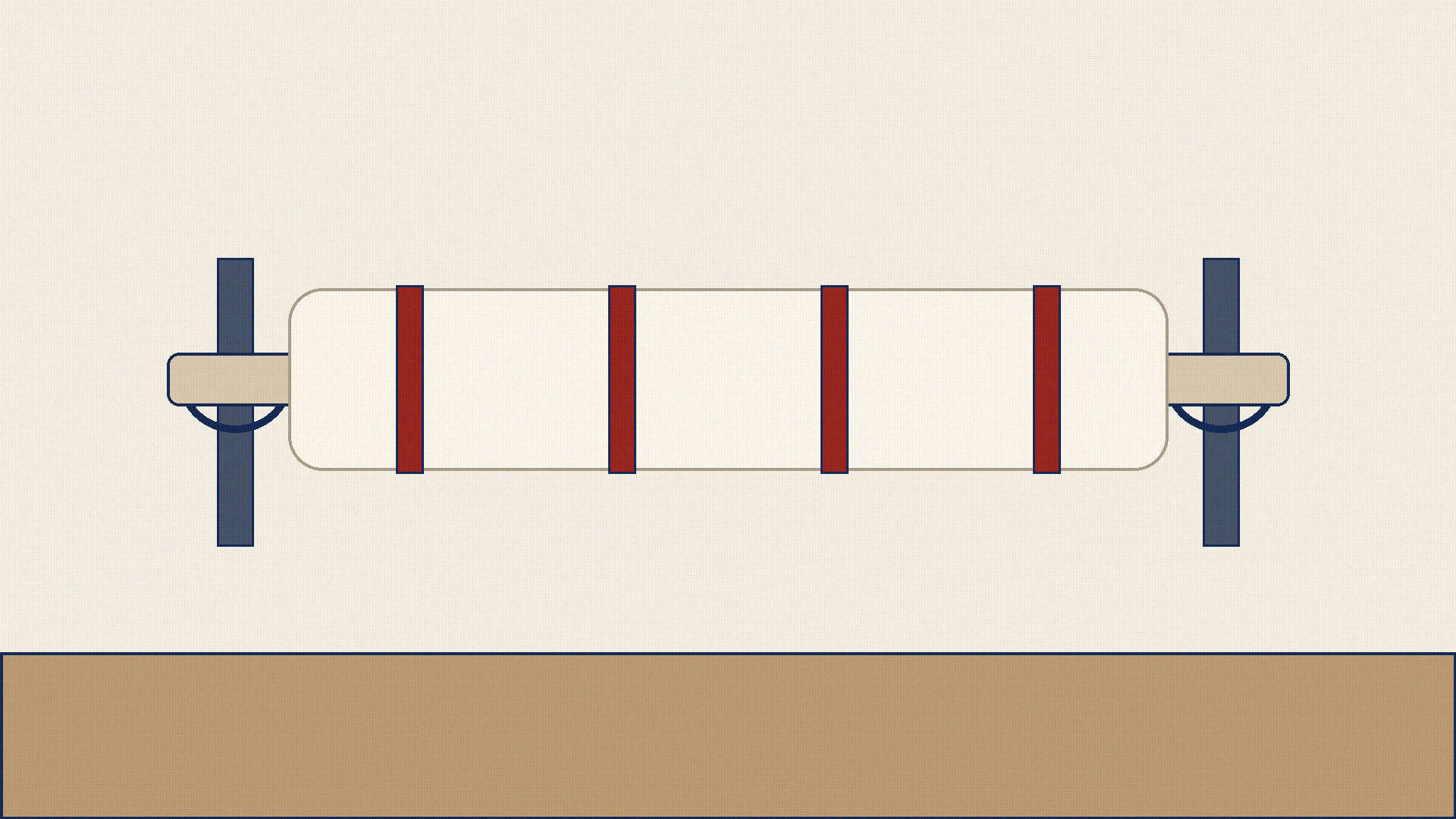
Using a Wide Support Tube: For medium and large rugs or long-term storage, roll the rug around a wide-diameter rigid core tube slightly longer than the width of the rug (wrapped first in acid-free tissue or prewashed unbleached cotton muslin) so the innermost turns are never crushed into a tight pinch 12. Whether rolling with the pile facing inward or outward is better depends on the stiffness of the foundation and backing; museum conservators often place the rug face down and roll with an interleaving sheet of cotton muslin or acid-free tissue, while very stiff-backed rugs may prefer rolling pile-inward to avoid cracking the reverse sizing 12.
Wrapping That Breathes vs. Plastic Sheeting
How you wrap the rolled cylinder determines whether the textile stays fresh or traps condensation 124:
For Long-Term Storage (Use Breathable Cotton or Tyvek/Archival Wrap): Wrap the rolled rug in prewashed, unbleached cotton muslin sheeting, a clean cotton bedsheet, or breathable archival textile wrap, and tie it lightly in several places with wide, flat cotton ribbons or fabric tape (never narrow string or adhesive tape that cuts into the pile) 12. Breathable fabric blocks dust and light while allowing air circulation so humidity cannot condense inside 12.
Why Airtight Plastic Bags Are Dangerous for Long Storage: Sealing a rug inside non-breathable polyethylene plastic film for months traps ambient humidity; when room temperatures fluctuate between day and night, moisture condenses inside the plastic and feeds mould and mildew 14. Heavy waterproof plastic wrapping should be reserved strictly for short-term rain protection during active moving or transit, and removed as soon as the rug reaches dry indoor storage 14.
Moths and Humidity
Two environmental threats account for most storage losses in rugs: biological pests and dampness 145:
Clothes Moths and Carpet Beetles: As museum entomology and Victoria and Albert Museum conservation records show, the larvae of webbing clothes moths (Tineola bisselliella) and carpet beetles feed on keratin in animal-protein fibres such as wool and natural silk, especially in dark, undisturbed, soiled areas 56. Even primarily synthetic or cellulose rugs can attract pests if food spills or animal hair remain in the pile 4. Instead of placing smelly chemical mothballs (naphthalene or paradichlorobenzene) directly on the textile—which leave stubborn odours and chemical residues—clean the rug thoroughly before rolling, wrap it in clean cotton, and unroll and inspect it every six months 156.
Humidity and Temperature Control: Store rugs in a stable, dry indoor climate away from damp concrete floors, leaky pipes, or extreme attic heat 14.
Choosing the Right Storage Place
Where the rolled rug rests is just as important as how it is wrapped 12:
Store Horizontally Off the Floor: Never stand a rolled rug vertically on its end like an umbrella; gravity will cause the lower end to slump, flare, and permanently distort into wavy ripples 2. Instead, store the roll horizontally off the floor—ideally suspended on wall brackets supporting the protruding ends of the inner tube, or resting on a flat, elevated shelf or rack 12.
Never Stack Heavy Boxes on Top: Do not pile furniture, suitcases, or heavy cartons on top of a rolled rug, which flattens the cylinder into an oval and creases the sides 2.
Avoid Basements, Attics, and Garages: Choose a dry, climate-controlled interior closet or storage room rather than damp basements or hot garages 14.
Moving and Shipping a Rug Safely
When moving house or transporting a rug between showrooms 12:
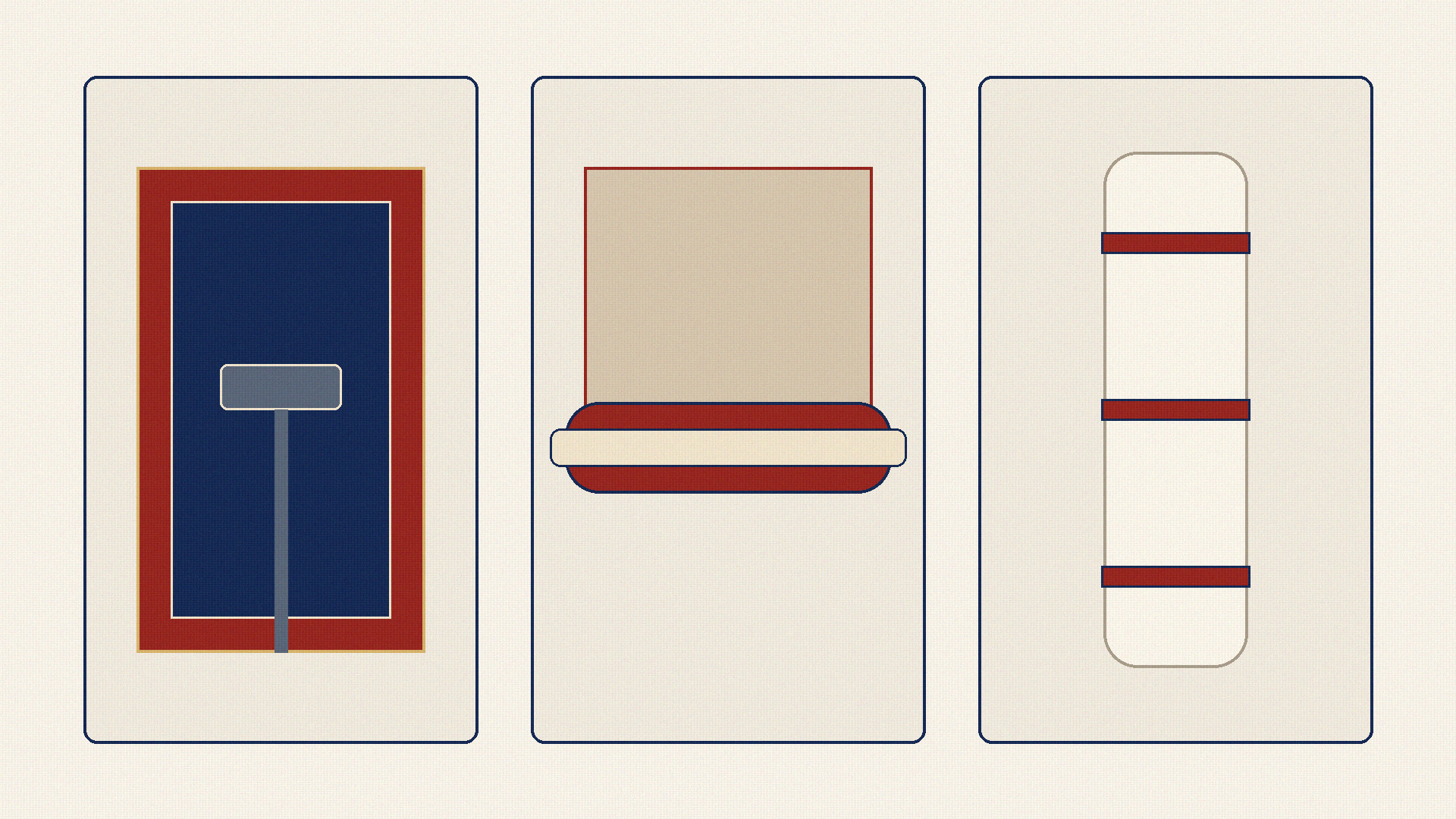
Roll the rug tightly around a rigid core tube, wrap it in clean cotton or protective kraft paper, and slip a temporary waterproof outer sleeve over it only for the duration of transit 12.
Carry long rolls with two people supporting the middle and ends so the roll does not bend or kink in half 12.
Load the rolled rug near the top of the moving van or flat along a clean wall—never at the bottom of a heavy stack—and remove any plastic transit sleeve immediately upon arrival 12.
Unrolling and Letting the Rug Relax
When you take a rug out of storage or unpack a shipment, give the fibres time to recover their flat memory:
Unroll the rug onto a clean, dry floor over its rug pad in a warm room.
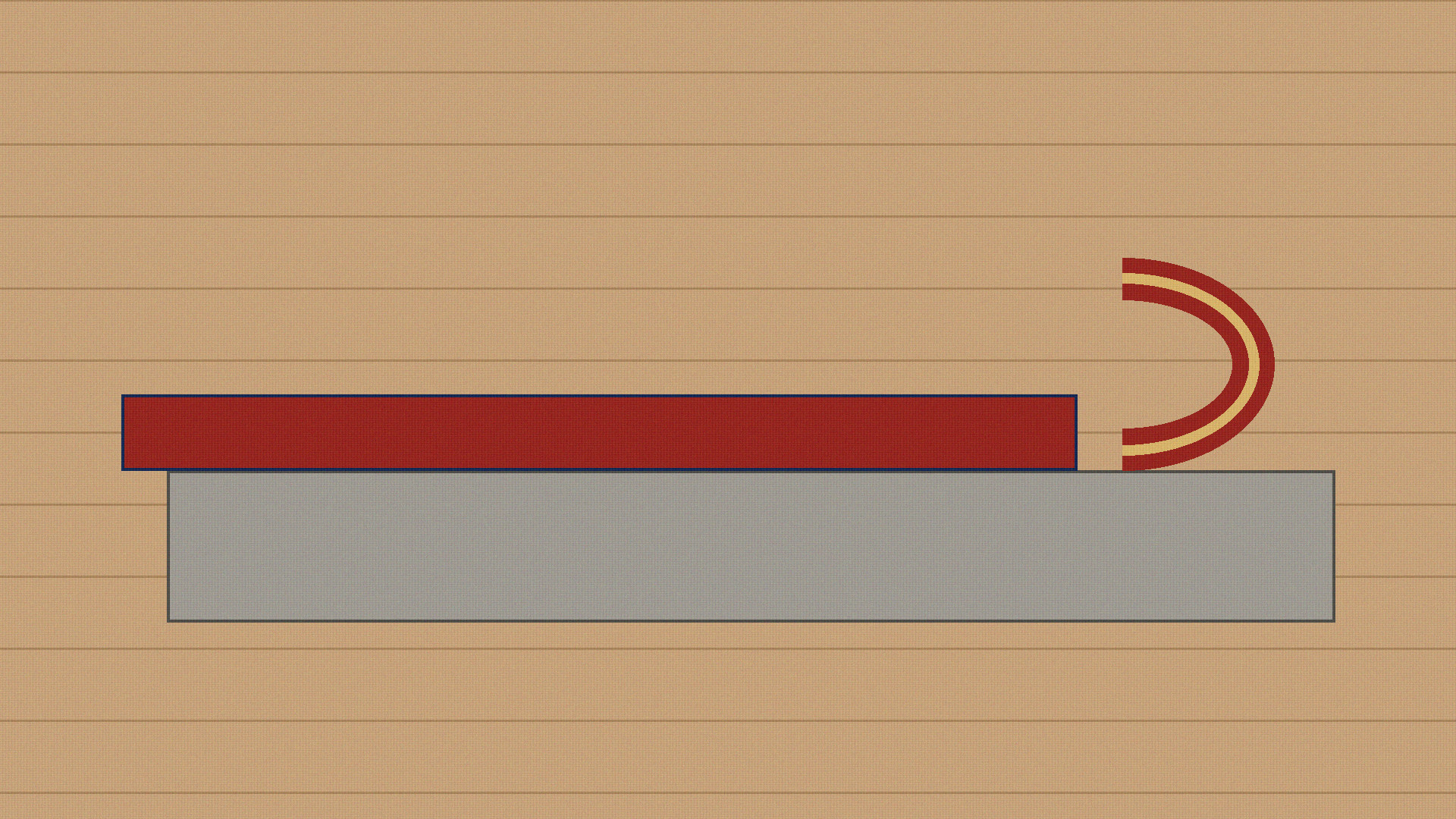
If the short ends curl slightly upward from being rolled, gently back-roll the edge in the opposite direction by hand for a few seconds, or let gravity and normal room warmth settle the rug flat over 24 to 72 hours. Exact relaxation time depends on ambient temperature, storage duration, and foundation stiffness, and remains partly uncertain until the rug acclimates to the room.
Never place heavy sharp weights on creased edges or apply a hot household steam iron directly to the pile.
Common Misconceptions
"Sealing a rug in airtight plastic wrap is the safest way to store it for years." Airtight plastic traps condensation during temperature swings and promotes mould; long-term storage requires breathable cotton fabric 124.
"Standing a rolled rug upright in the corner saves space without harm." Vertical storage crushes the bottom edge under the rug’s own weight and creates permanent waves along the border 2.
"Folding a large rug into a square is fine for a few months." Even a few weeks of sharp folding under weight can leave stubborn foundation creases 12.
"Mothballs should be poured directly into the rolled rug." Chemical mothballs leave toxic, lingering odours; thorough cleaning, breathable wrapping, and periodic inspection are the conservation standard 156.
A Short Practical Checklist for Storing and Moving a Rug
- Roll in the Pile Direction Around a Tube: Roll evenly with two people—never fold—using a wide core tube for support 12.
- Wrap in Breathable Cotton and Tie with Flat Ribbon: Use prewashed cotton sheeting for long storage; remove any waterproof transit plastic after moving 12.
- Store Horizontally Off the Floor: Rest the roll on elevated brackets or a shelf in a dry indoor room with nothing stacked on top 12.
Frequently Asked Questions (FAQ)
1. Should I roll or fold a rug for storage?
Always roll a rug—never fold it. Folding creates sharp creases that can permanently distort or break the foundation yarns and backing, whereas rolling around a wide tube distributes tension evenly 12.
2. Is it better to wrap a stored rug in plastic or cotton cloth?
For long-term indoor storage, wrap the rug in breathable cotton sheeting (such as unbleached muslin) so air can circulate and moisture cannot condense inside 12. Use waterproof plastic only as a temporary outer cover during moving or shipping 14.
3. Can I store a rolled rug standing upright on its end?
No; standing a rolled rug vertically causes the bottom end to buckle and flare under the rug’s weight. Always store rolled rugs horizontally off the floor on a flat shelf or wall brackets supporting the core tube 12.
4. How do I get the ends of a rug to lie flat after unrolling it from storage?
Unroll the rug in a warm room over a proper rug pad, gently reverse-roll the curled edge by hand for a moment (without creasing it), and allow 24 to 72 hours for the foundation yarns to relax flat under gravity.
Sources
- Canadian Conservation Institute (CCI), Government of Canada, "Basic care – Carpets and rugs". https://www.canada.ca/en/conservation-institute/services/care-objects/textiles-costumes/basic-care-carpets-rugs.html
- Canadian Conservation Institute (CCI), Government of Canada, CCI Notes 13/3: "Rolled Storage for Textiles". https://www.canada.ca/content/dam/cci-icc/documents/services/conservation-preservation-publications/canadian-conservation-institute-notes/13-3-eng.pdf
- Canadian Conservation Institute (CCI), Government of Canada, CCI Notes 13/16: "Mechanical Surface Cleaning of Textiles". https://www.canada.ca/en/conservation-institute/services/conservation-preservation-publications/canadian-conservation-institute-notes/mechanical-surface-cleaning-textiles.html
- The Carpet and Rug Institute (CRI), "Frequently Asked Questions" and "Carpet and Rug Care Guide". https://carpet-rug.org/wp-content/uploads/2024/09/Carpet-and-Rug-Care-Guide.pdf
- Victoria and Albert Museum, London, "Unwelcome flying visitors to the Museum" and "Museum at war". https://www.vam.ac.uk/blog/caring-for-our-collections/unwelcome-flying-visitors-museum
- Robert J. Koestler and Mary W. Ballard (Smithsonian Museum Conservation Institute), "Thirty Years of Pest Control in Museums: Policy & Practice". https://museumpests.net/wp-content/uploads/2014/05/Koestler-Ballard-paper-formatted.pdf